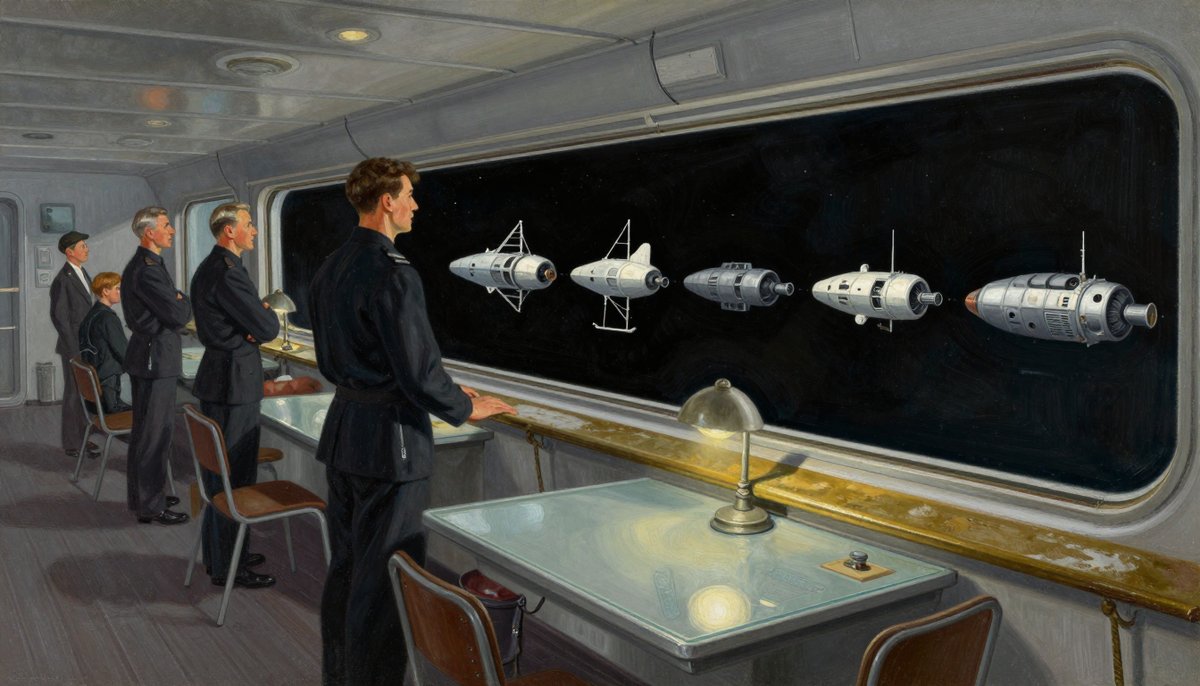
Forty-one hulls stringing out along the anchorage in a line that looks, on the plot, like something a navy might actually field. It looks less like that by oh-six-eleven — and there are three inspecting captains aboard watching through a window nobody can close.
The patch
The Rim: belt stations, moon habitats, asteroid towns, port stations and mining volumes strung out to the system's cold edge, plus a good many places the paperwork never registered — which turns out to be the only reason some of them survive. Everything here runs on jury-rig and make-do, because that is what poverty teaches, and no message anywhere outruns a ship.
And out at that edge, weeks before the war starts, the Rim's training reserve: forty-one obsolete hulls nobody wanted, live-armed for a final fleet review and crewed by cadets and recalled pensioners. Then the real navies burn at anchor, and by accident of geography the museum piece nobody rated is the whole surviving Rim fleet. No reinforcements are coming. A crew of children and old men will have to become a navy instead.
The set
- The training fleet itself — one-shot artillery platforms with a five-minute recharge, attack-only light cruisers, and failed experimental fighters that fly in pairs out of a wiring flaw nobody could afford to train out — with a barracks hulk at a quarter of everyone's speed holding the spine.
- The mills — factory ships that become the arsenal: shot cast on the deck, drone hulls stacked on trestles, and a mining cover story. The whole war effort is three ships and a furnace.
- The slow core and the caravan — the admiral's seat, and four hundred souls who are not aircrew. The fleet's speed is the caravan's speed, which is a doctrine and, in the end, a purpose.
- The outer monitoring stations — small crews, long watches, one dish aimed out into the dark, and keepers glad of children's voices on the exam-cruise channel. Something out there is not explained.
- The Rim's registry of places — moon habitats, asteroid towns and port stations, worked through in order by an enemy using a pre-war list — and the unregistered holdings the sloppy paperwork saves.
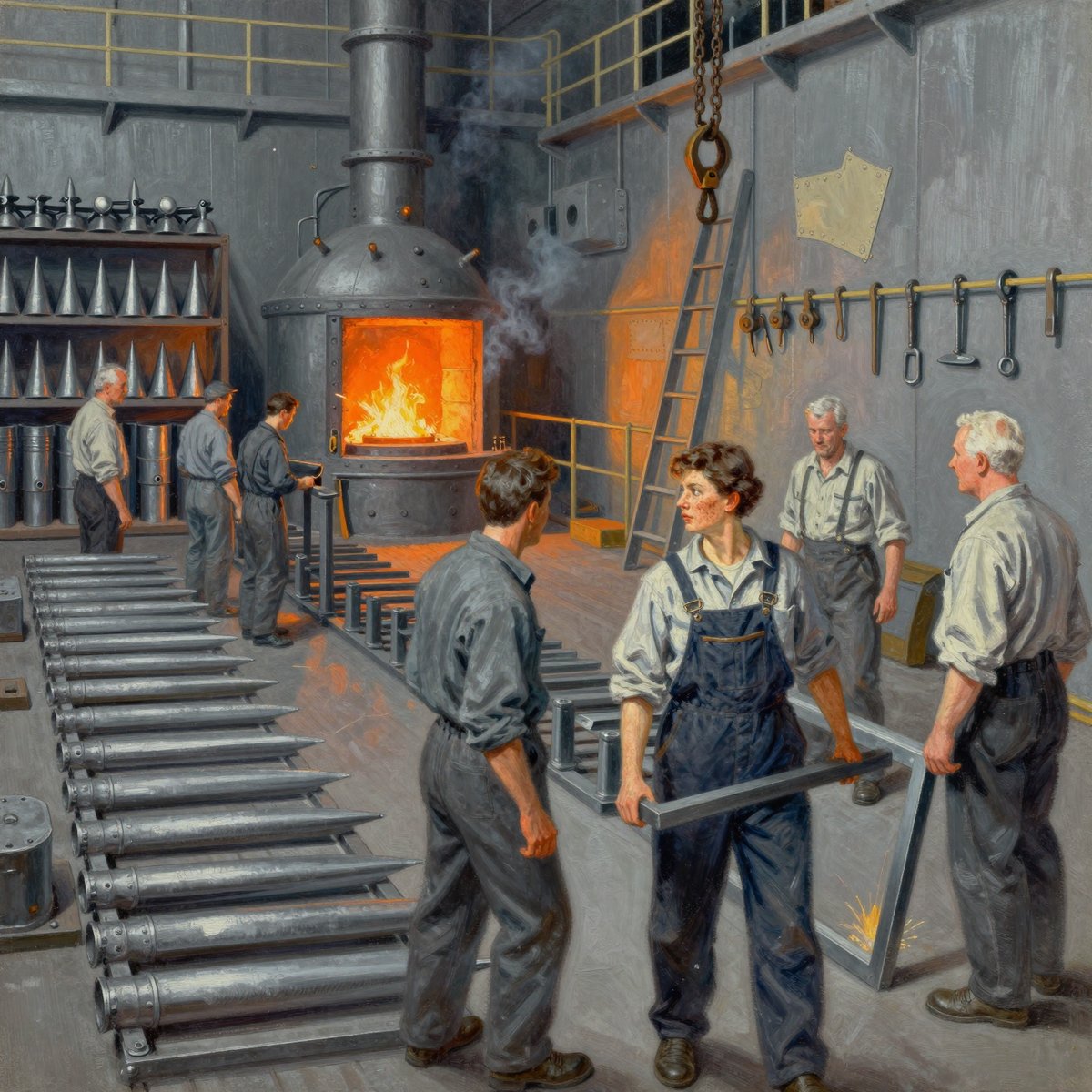
Three factory ships and a furnace, and every round the fleet fires from here on. Doing more with less is not a wartime virtue on the Rim. It is how the place has always worked.
The cast
One voice across all four books, first person past — a foreigner's, which is the point. In brief:
- Cmdr Elias Quist — thirty-four, Mars-raised, which shows in the height and the narrowness, with his father's workshop hands and nothing else of the workshop. Seconded to the Rim as fifth in command and ordered to act as a Rim officer for the duration of a six-week cruise. He keeps that order for the whole war.
- RAdm Aldous Finch — seventy-four, tall once and stooped now, white hair kept short for fifty years, and a heart that will not tolerate acceleration — which is why he commands from the slow core and why the fleet has no flagship. Exiled to training command years ago for insubordination.
- Capt Owen Locke — fifty-two, heavy through the chest, going bald without appearing to have noticed, with the permanent grey in his hands no officer gets from a desk. Trusted in a way the Mars officer is not, and given the independent command because of it.
- Maeve Rafferty — the mills' civilian process specialist: dark and freckled, about forty, built like a woman who carries things up ladders, hair cut off at the jaw like everyone else in the mills. She argues to his face, which is worth more than access.
- The Temps — prototype replicants carried on the books as certified flight systems rather than as people, and given every job nobody comes back from. Fleet slang — and the joke stops being funny the first time somebody says it to one of them.
- The cadets and the old-timers — Rim-born jury-riggers who have been doing more with less since long before the shooting, and chiefs carrying doctrines the service deleted. Almost nobody aboard is the right age.
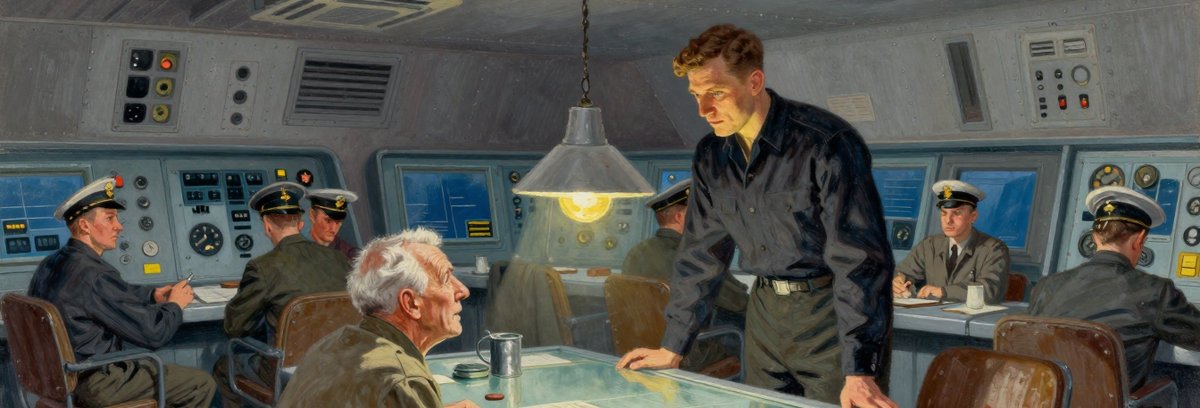
He commands from the slowest ship in the fleet because his heart will not take acceleration, and out of that one fact comes a doctrine: no flagship, and every decision made by whoever is actually there.
The rhythm
Fleet-action military SF with Rim grit and gallows warmth, and a narrator who spends four books looking forward to going home. He rises one funeral and one detachment at a time, from fifth in command to the man who plans the last stand — four rungs, four mechanisms, none of them luck. The fleet is at war, not cursed.
Do-more-with-less ingenuity that is earned rather than clever, found family forged in drills and funerals, and a creeping wrongness at the system's edge the crew never resolves. They are not equipped to. The reader gets a little further than they do, and the gap is the dread.
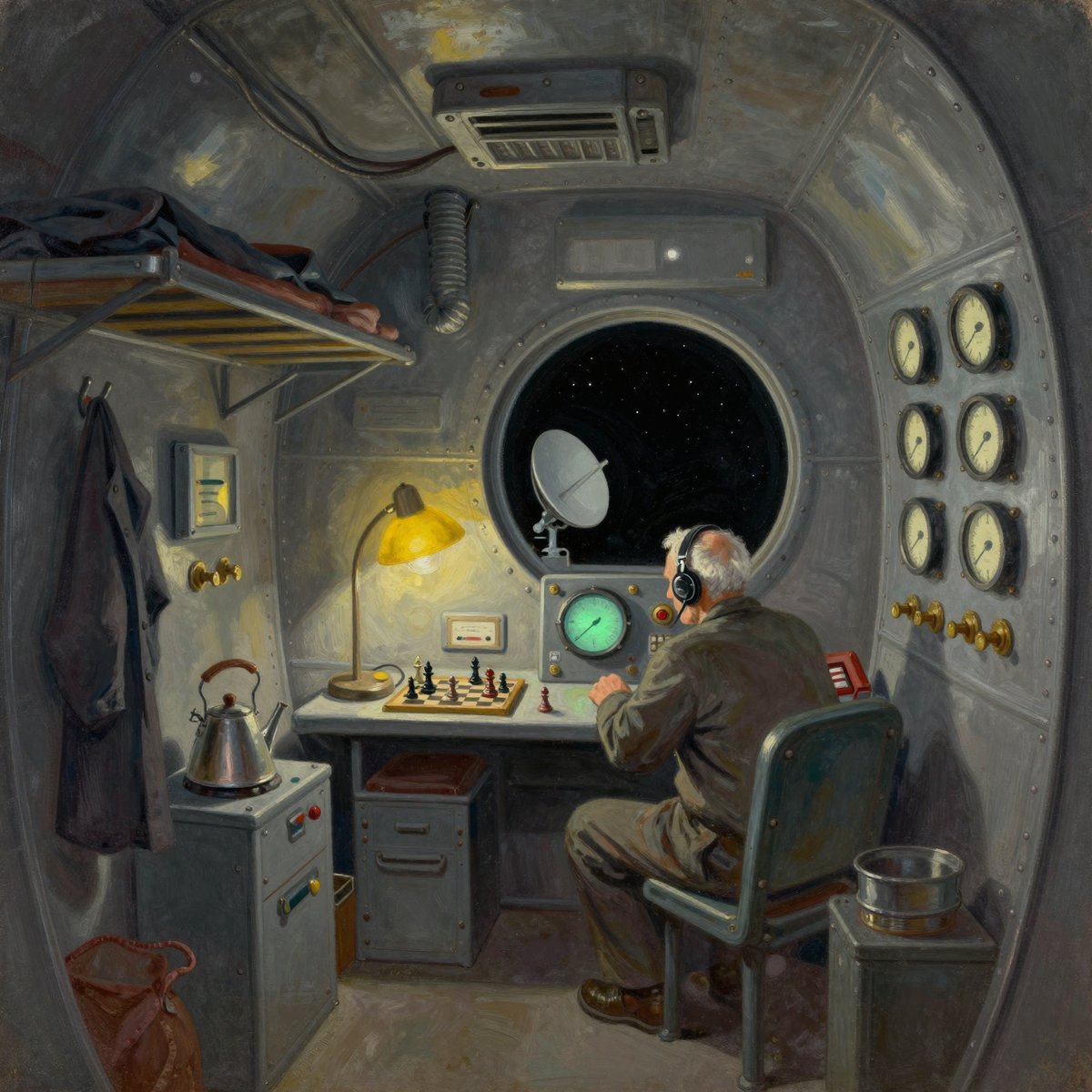
Small crews, long watches, one dish aimed out into the dark, and keepers glad of children's voices on the cruise channel. Something out there is never explained, and the crew is not equipped to explain it.
The question the series asks
What does a borrowed officer owe a navy that never wanted him?
Where to start
Four books, in order — and you can read them before, after or alongside the saga proper. This line runs beside the first movement, in a different theatre, and it stands on its own. If you would rather start with the saga, that is A Thing Made for No One, book one of The Fracture.
- Forty-One Hulls — start here. A milk-run exam cruise to the outer stations, and then the war ignites while they are out there and the real fleets burn at anchor.
- Built Anyway — the junk fleet is the only formation the Rim has left, the factory ships become the arsenal, and somebody flies a flag they had no right to fly.
- What the Record Had Room For — the turning-point line battle, fought with an artillery doctrine the service deleted, and won at the cost of the family's own centre.
- Ragged and Bright — the enemy stops taking surrenders. There is no ground left worth holding, so the fleet stops trying to win and becomes an evacuation convoy instead.
The saga runs in four movements and one order — The Fracture, The Arrival, The Convergence, The Reckoning. Tales From The Black is the free short line.